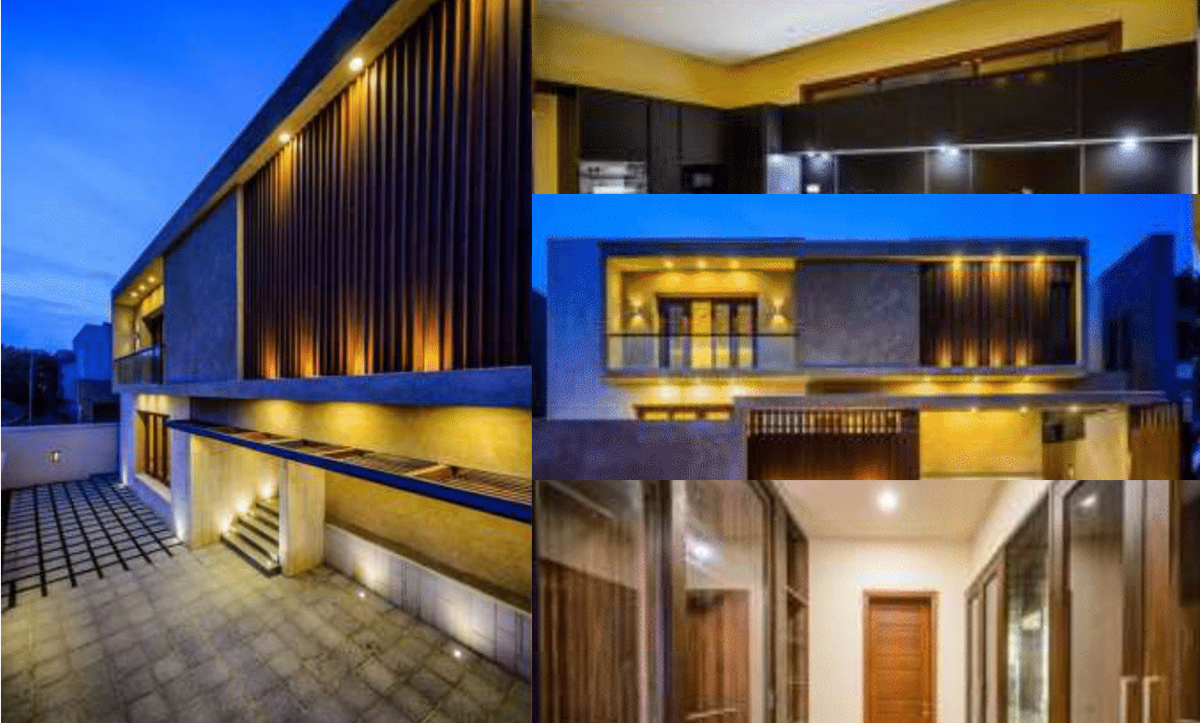
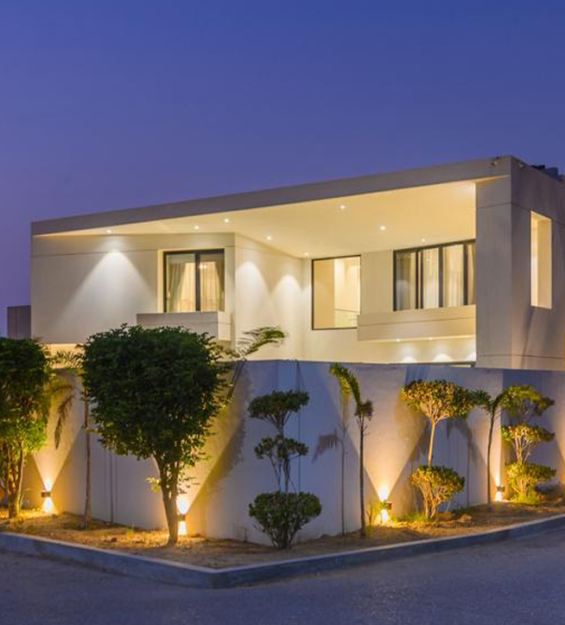
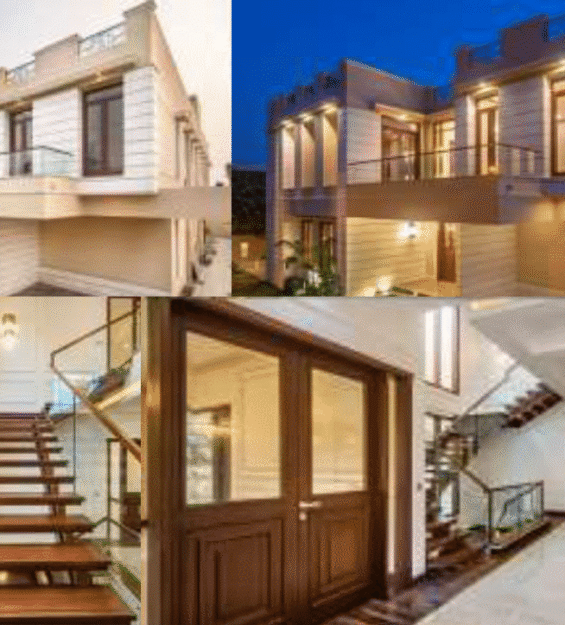
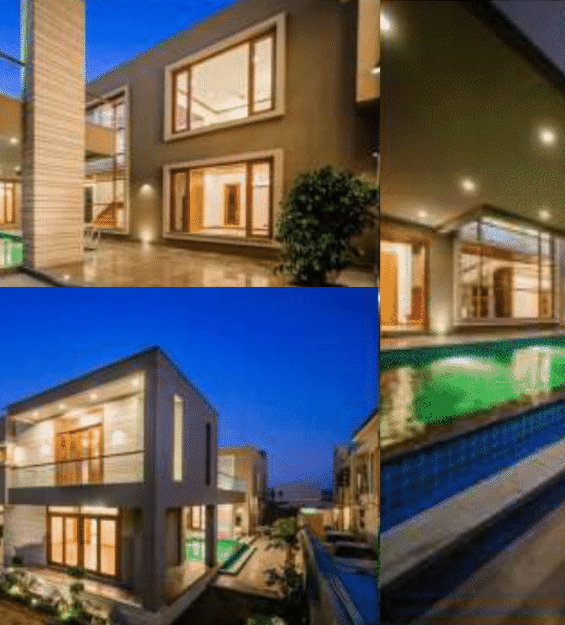
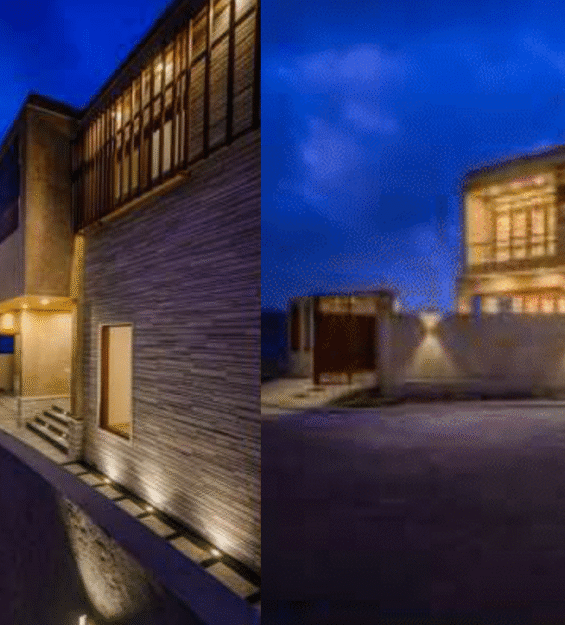
The guiding principle for this project was the idea of reverse-form building: beginning with the unbuilt, open volume and gradually shaping the architecture around it. This approach ensures that the negative space—air, light, breeze, and movement—becomes just as important as the constructed form.
By treating space as a medium rather than a leftover, the design prioritises fluidity, comfort, and human experience. Every room, corridor, and courtyard reflects an intentional dialogue between openness and enclosure.
With its west-facing orientation, the site posed both challenges and opportunities. Instead of resisting the climate, the design embraces it:
- Wind patterns were studied and integrated into the layout, allowing natural airflow to move gently through the interior.
- Shaded buffers, courtyards, and transitional zones soften the intensity of the western sun.
- Carefully placed voids and open cavities enhance ventilation while maintaining privacy.
This thoughtful interaction with the environment creates an interior that feels alive—bright, breathable, and constantly shifting with the day’s rhythm.
SPATIAL EXPERIENCE
Although the project required a heavy functional program, the final result feels light, warm, and inviting. The design uses:
- Layered volumes
- Soft transitions between indoor and outdoor spaces
- Warm material palettes
- Diffused natural lighting
These elements collectively create a home that feels grounded yet open, structured yet relaxed. The interplay between built and unbuilt space allows the architecture to narrate—not simply accommodate—daily life.